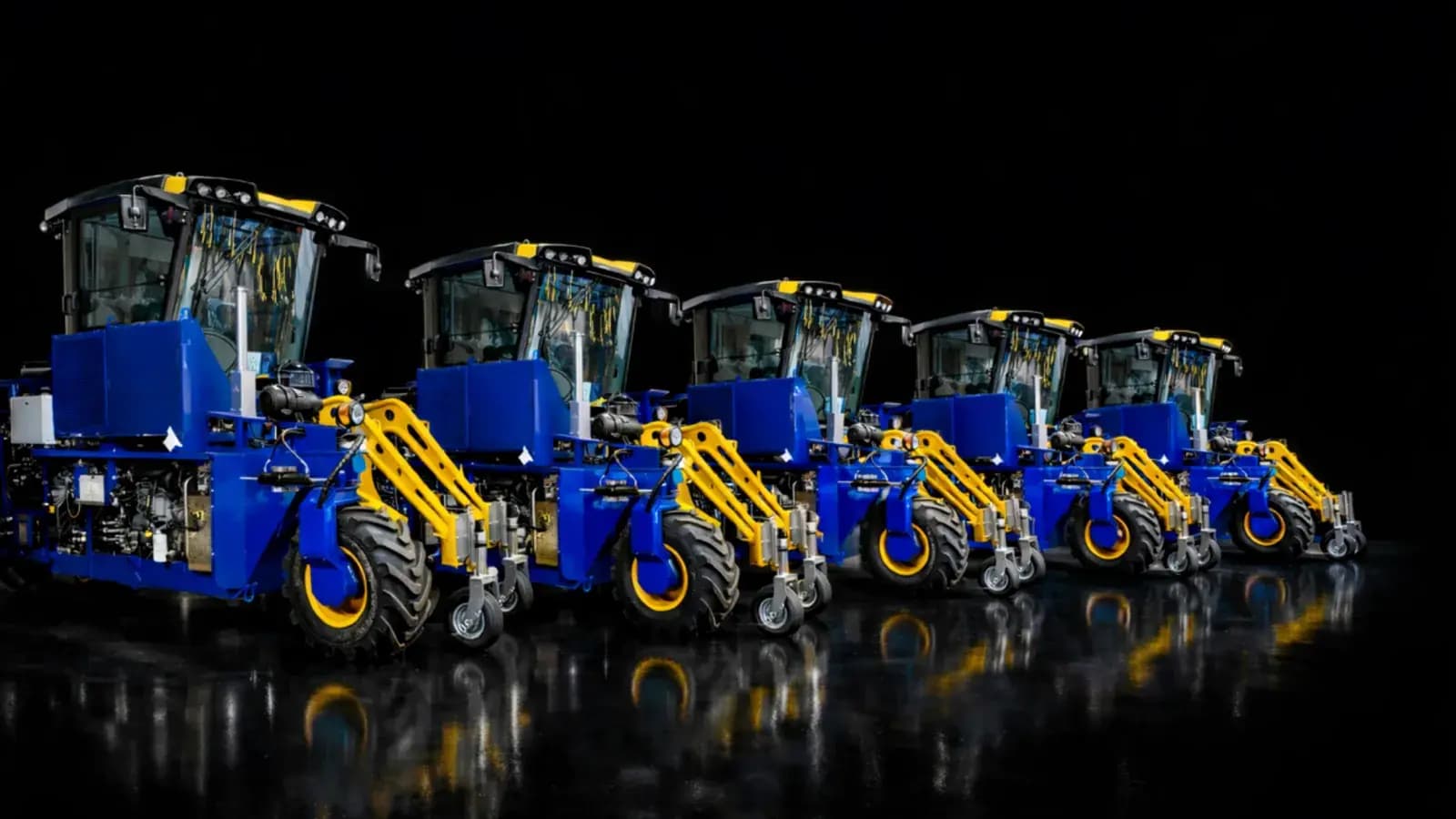
UNION GX240
Self-propelled two-row flax swath turner — DEUTZ TCD 3.6 TIER 5, 115 hp
UNION. 1947. Turning swaths — even retting.
Power — DEUTZ TCD 3.6 TIER 5 (85 kW)
Total weight
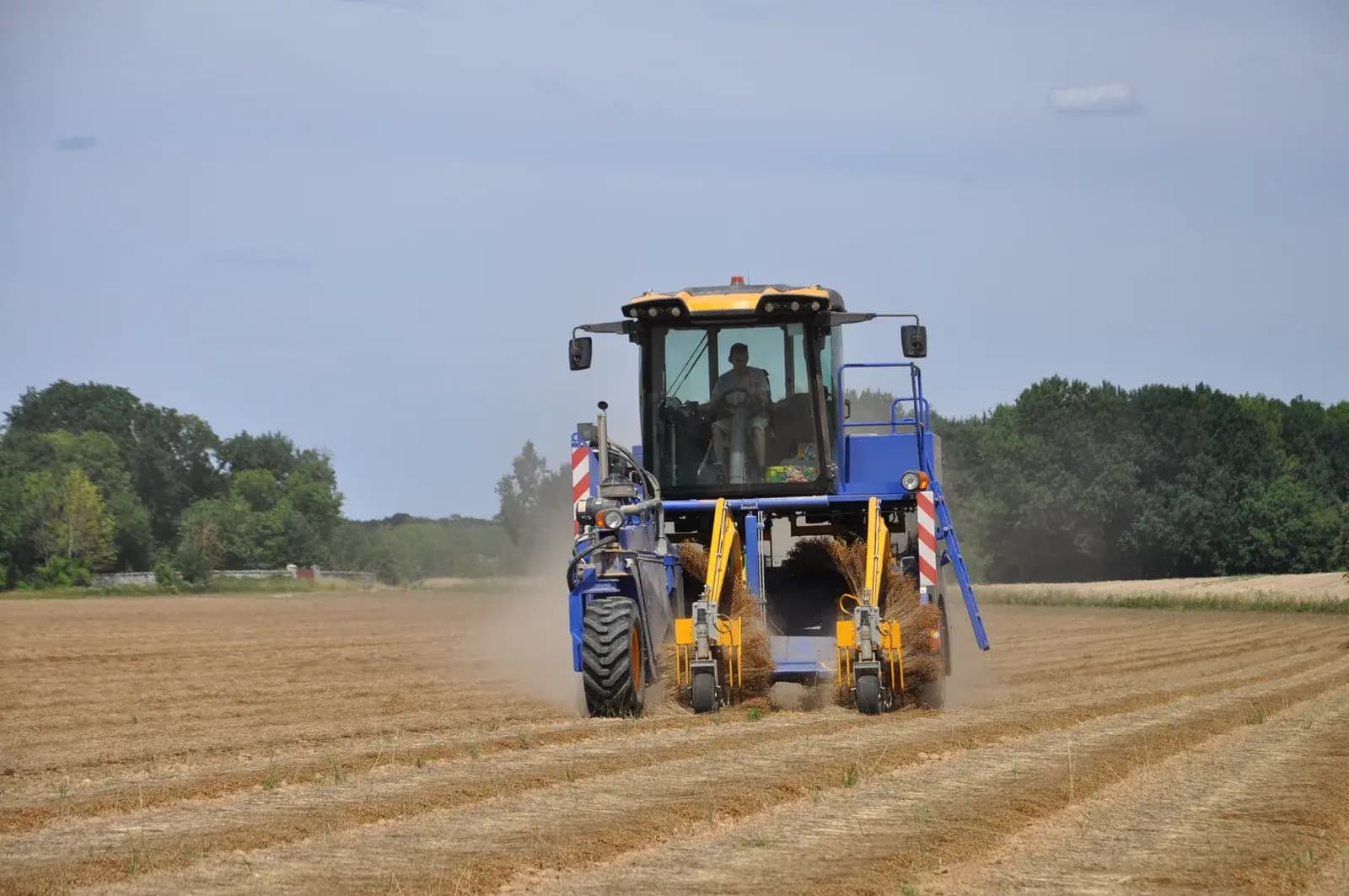
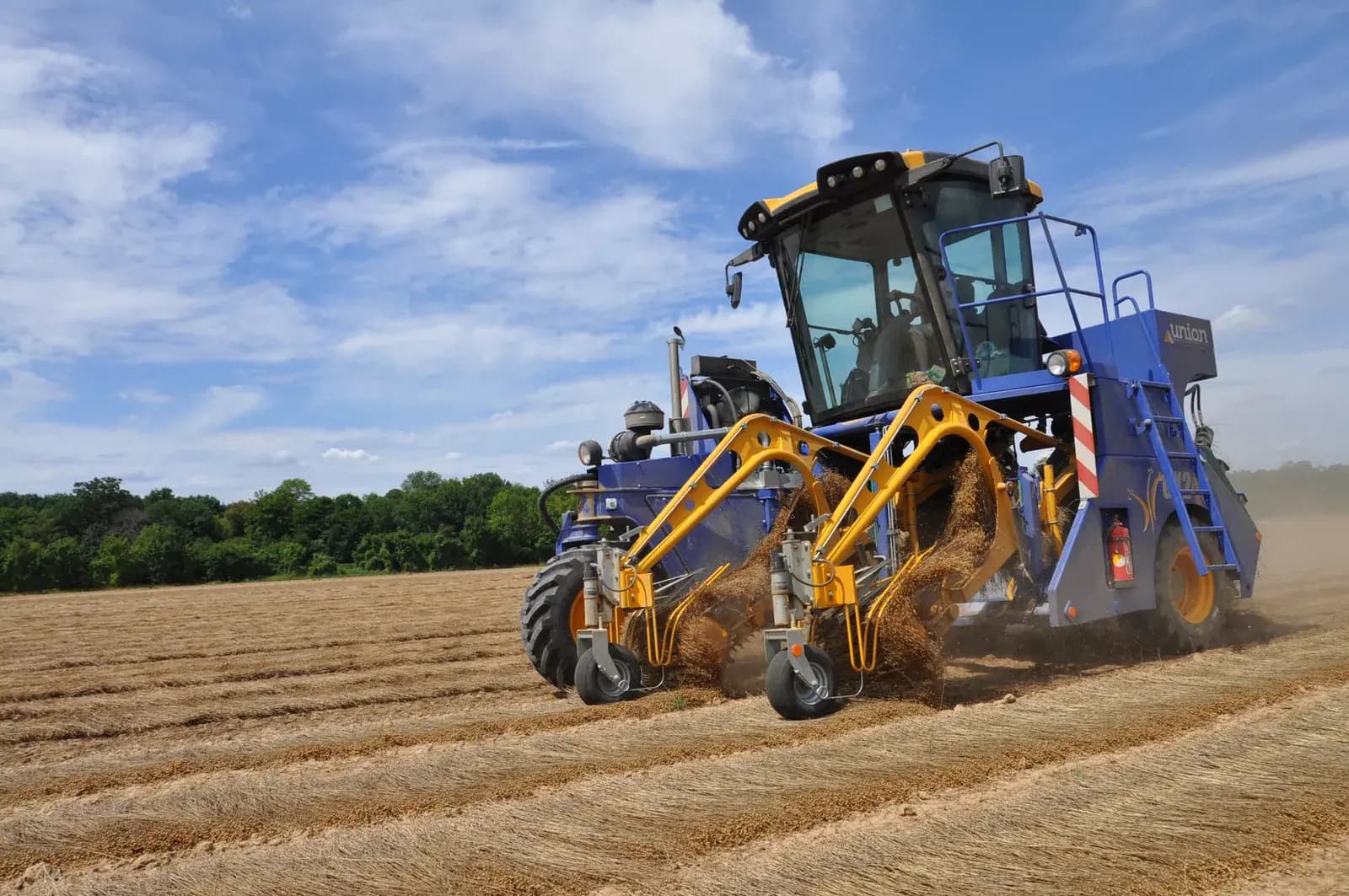
Simultaneous two-row turning
Self-propelled two-row flax swath turner — DEUTZ TCD 3.6 TIER 5, 115 hp
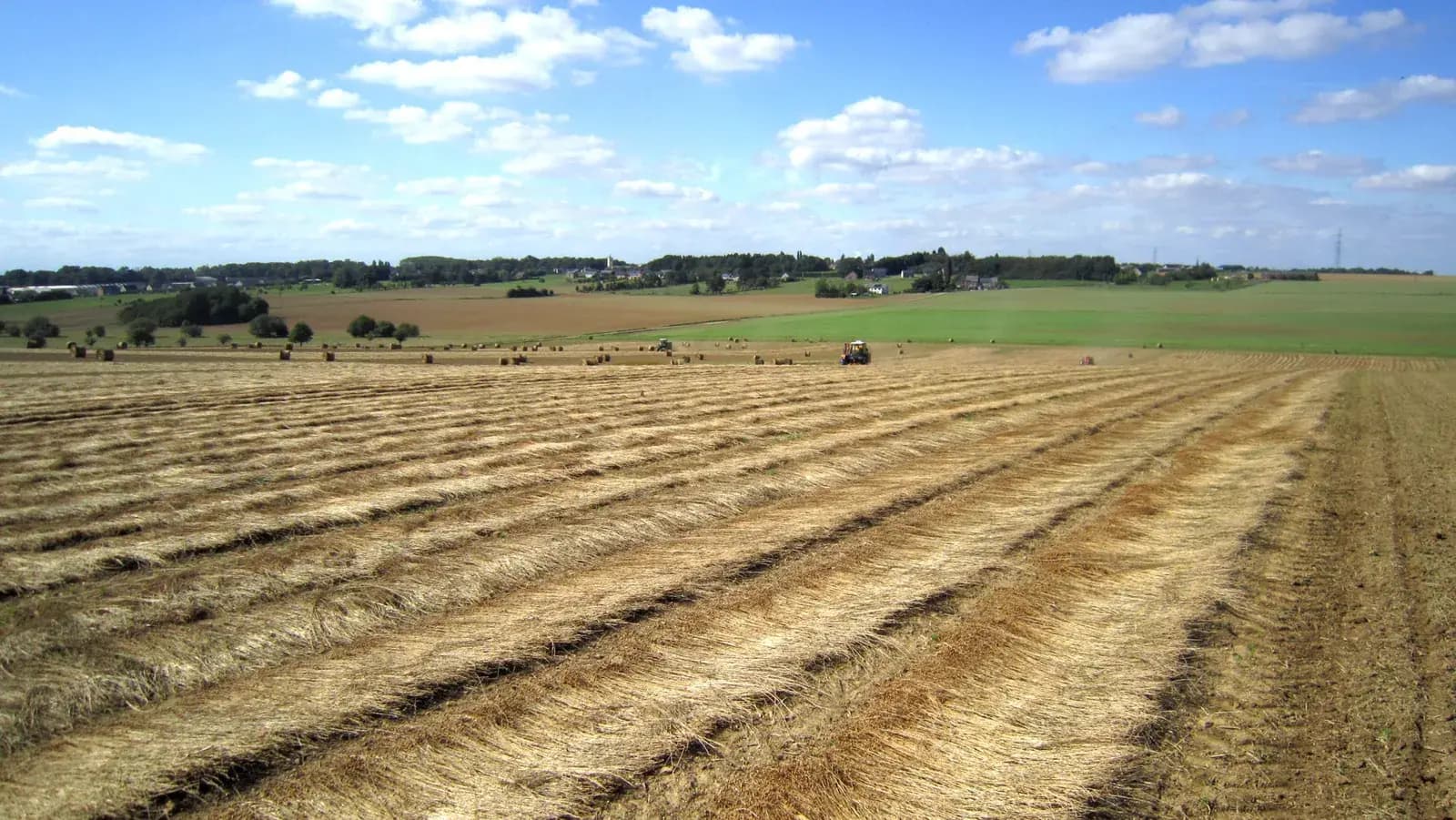
The GX240 is a self-propelled two-row flax swath turner, the second machine in the UNION field sequence, between pulling (GX220) and baling (GX255 Rafale). After pulling, the flax lies in swaths and undergoes field retting, a controlled breakdown of pectins under the influence of dew and rain that separates the fibre from the rest of the stalk. The quality of retting depends on even exposure of both sides of the swath, which is why the swath must be turned. The GX240 turns two swaths at once, maintaining uniform retting quality across the field. The machine is powered by a DEUTZ TCD 3.6 engine in the TIER 5 / Stage V class with an output of 85 kW (115 hp), on the same hydraulic 3-wheel platform as the GX220 and GX255, which means a shared service training and some shared hydraulic components. The machine is built at the UNION European engineering plant in West Flanders, which specialises in flax harvesting technology.
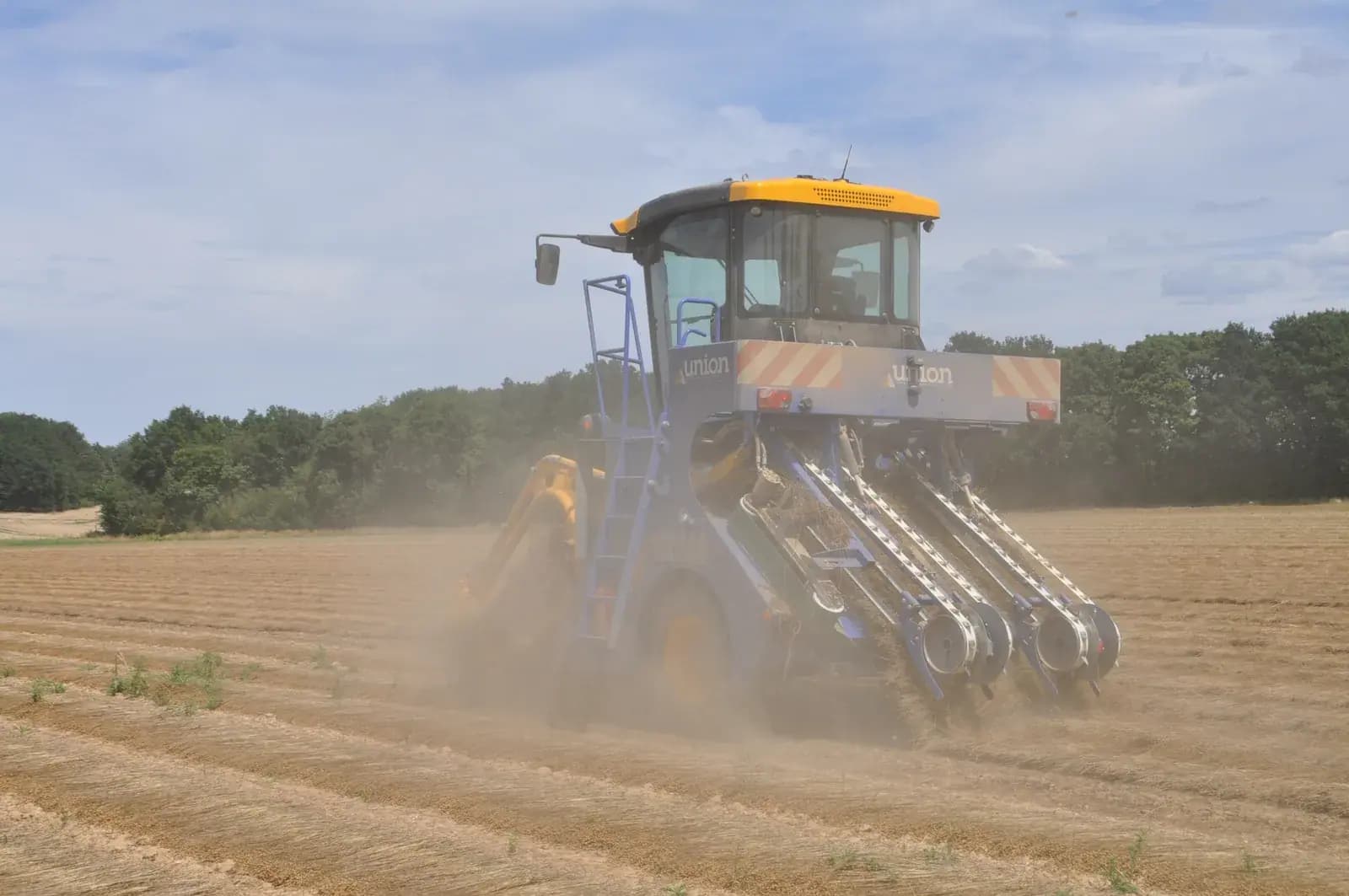
GX240 — pozycjonowanie
The GX240 is not a harvesting machine. It is an intermediate link in the flax field line, whose value shows in the uniformity of retting. Omitting swath turning lowers the quality of retted flax straw delivered to the scutching mill, regardless of how well pulling and baling went.
GX240 — specyfikacja
Dokumentacja — GX240
Explore the whole UNION family
This model is part of the UNION manufacturer's range. The other machines address the next stages of the same technology.
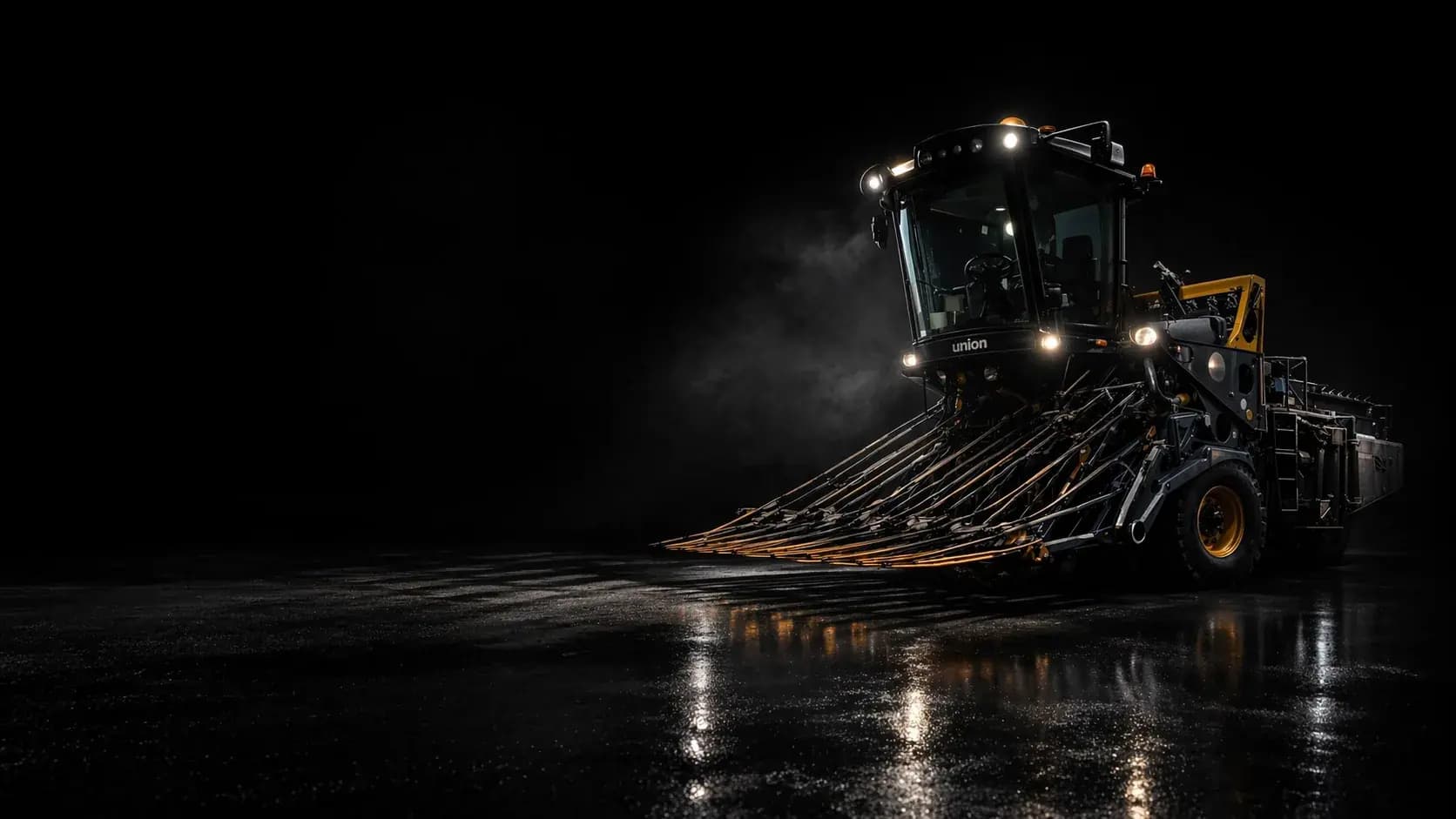 Natural fibres
GX220
Self-propelled two-row fibre flax puller — DEUTZ TCD 6.1/L6 TIER 5, 245 hp
View modelNatural fibresYou are currently viewingGX240
Self-propelled two-row flax swath turner — DEUTZ TCD 3.6 TIER 5, 115 hp
Aktualny model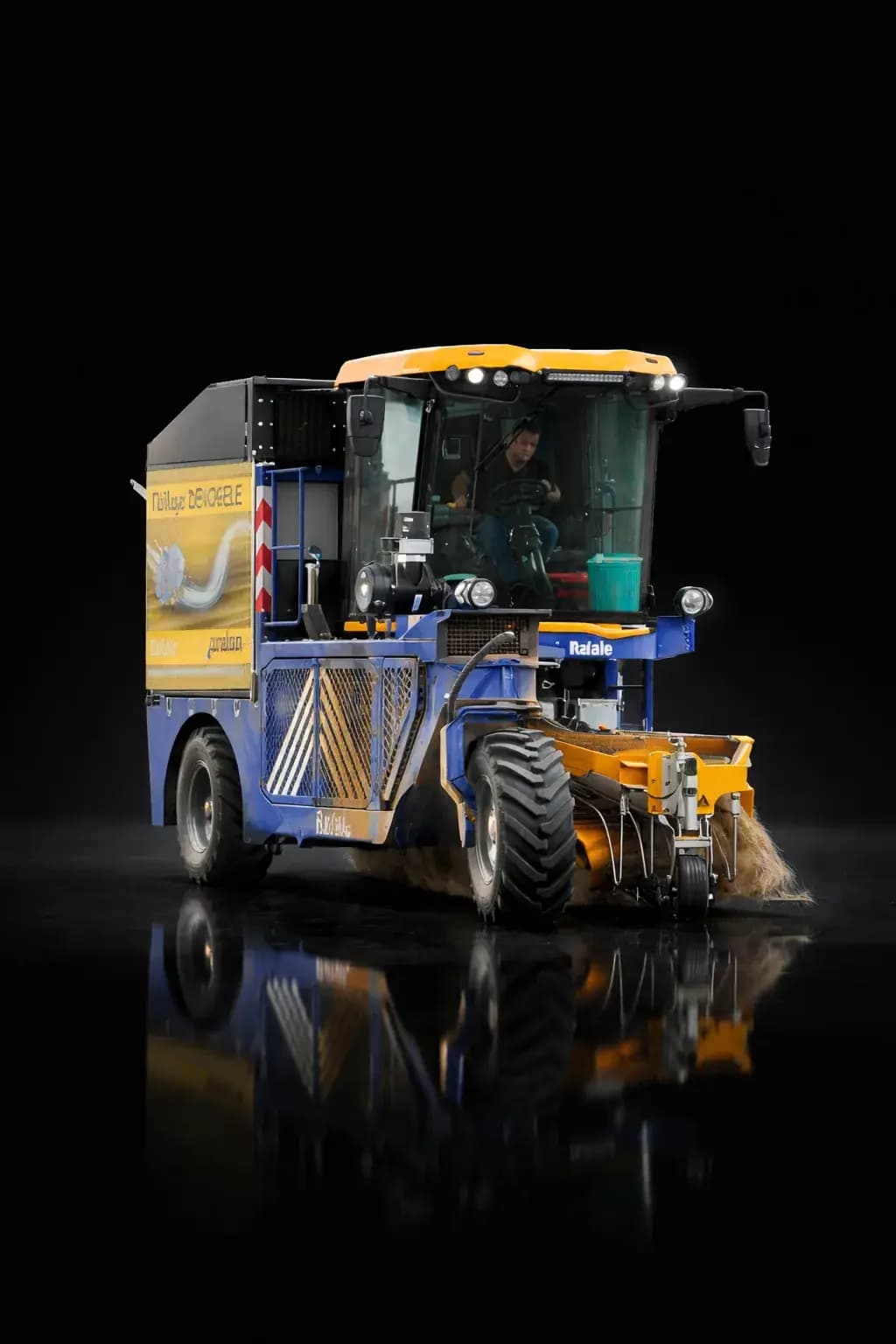 Natural fibres
GX255 Rafale
Self-propelled flax baler for retted flax straw — DEUTZ TIER 5, 143 hp
View modelEuropean flax ecosystem
From seed, through harvesting and decortication, to industrial fibre processing — each brand serves one stage of the same chain.
- 01 · NasionaVan de BiltView
- 02 · HarvestingUNIONCurrent stage
- 03 · DekortykacjaCretesView
- 04 · ProcessingVanhauwaertView
GX240 on each side
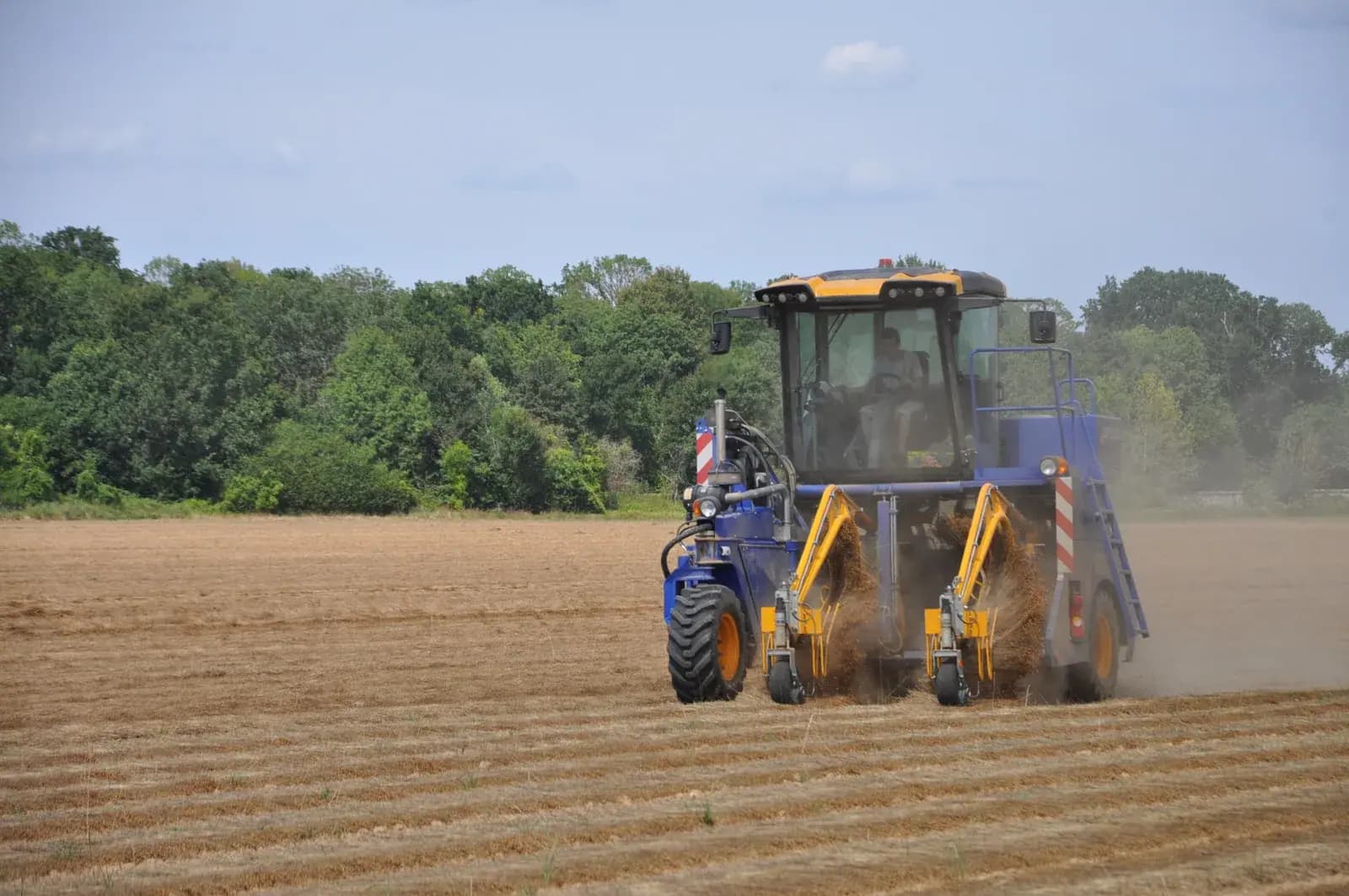
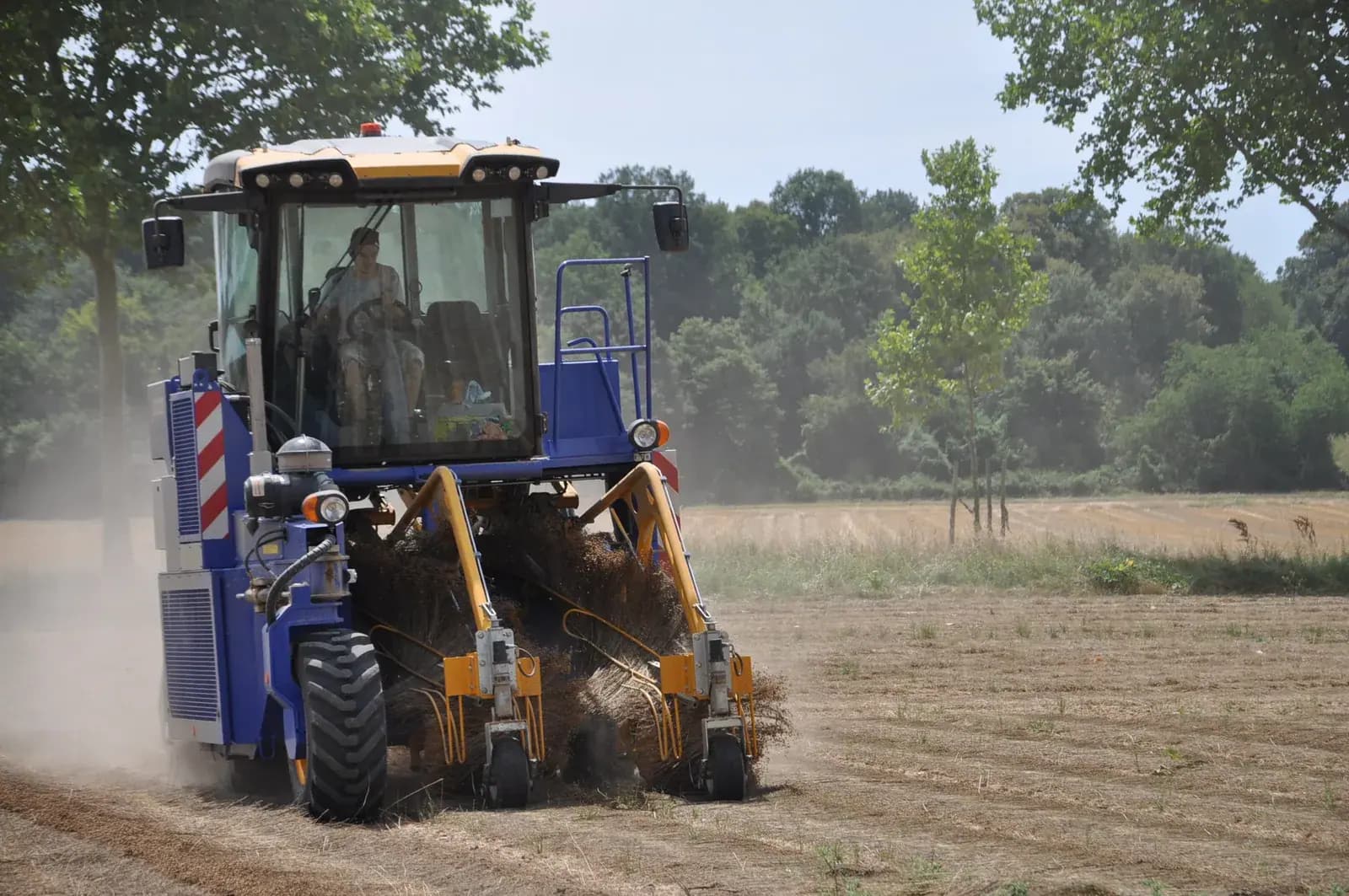
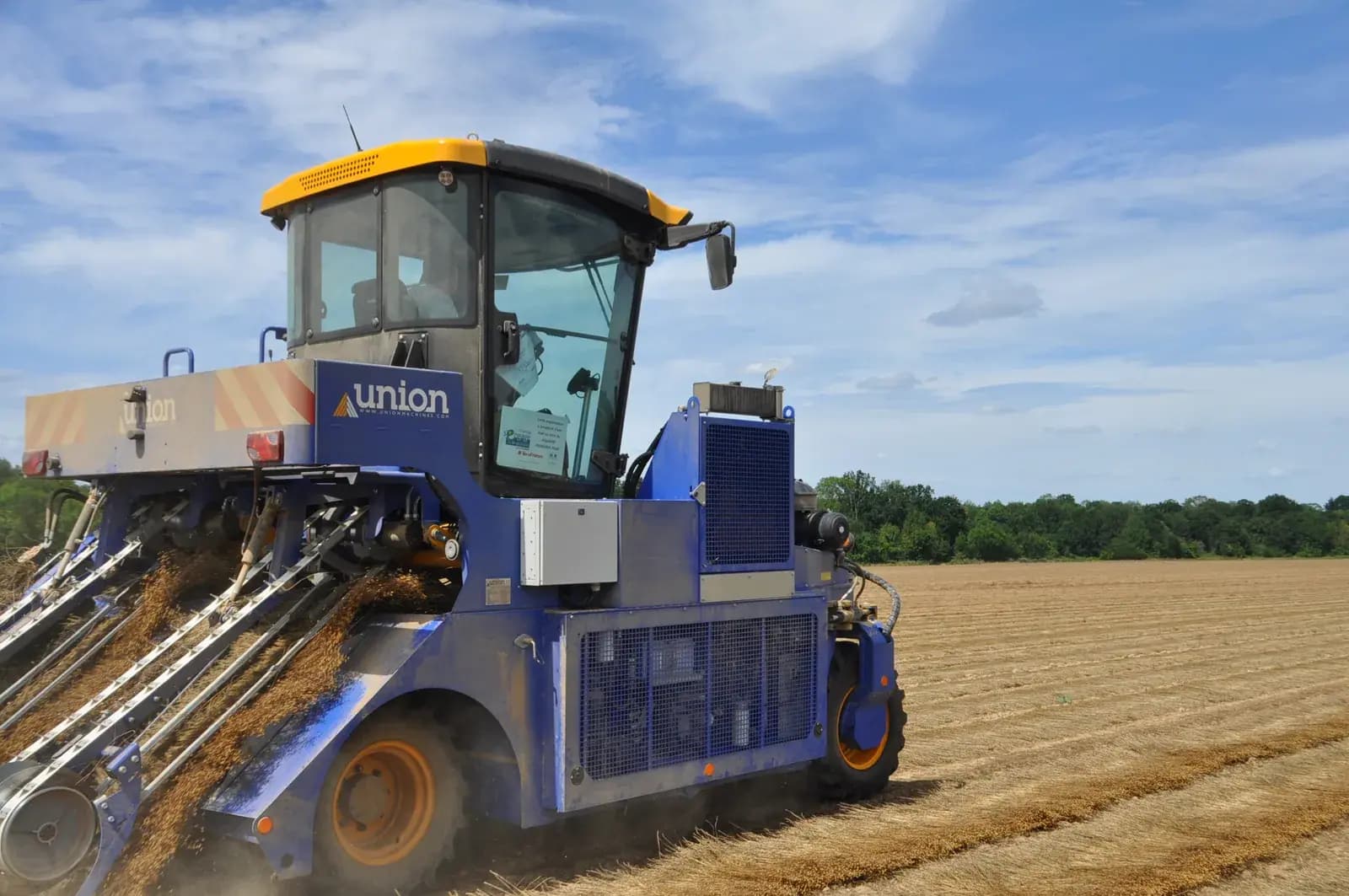
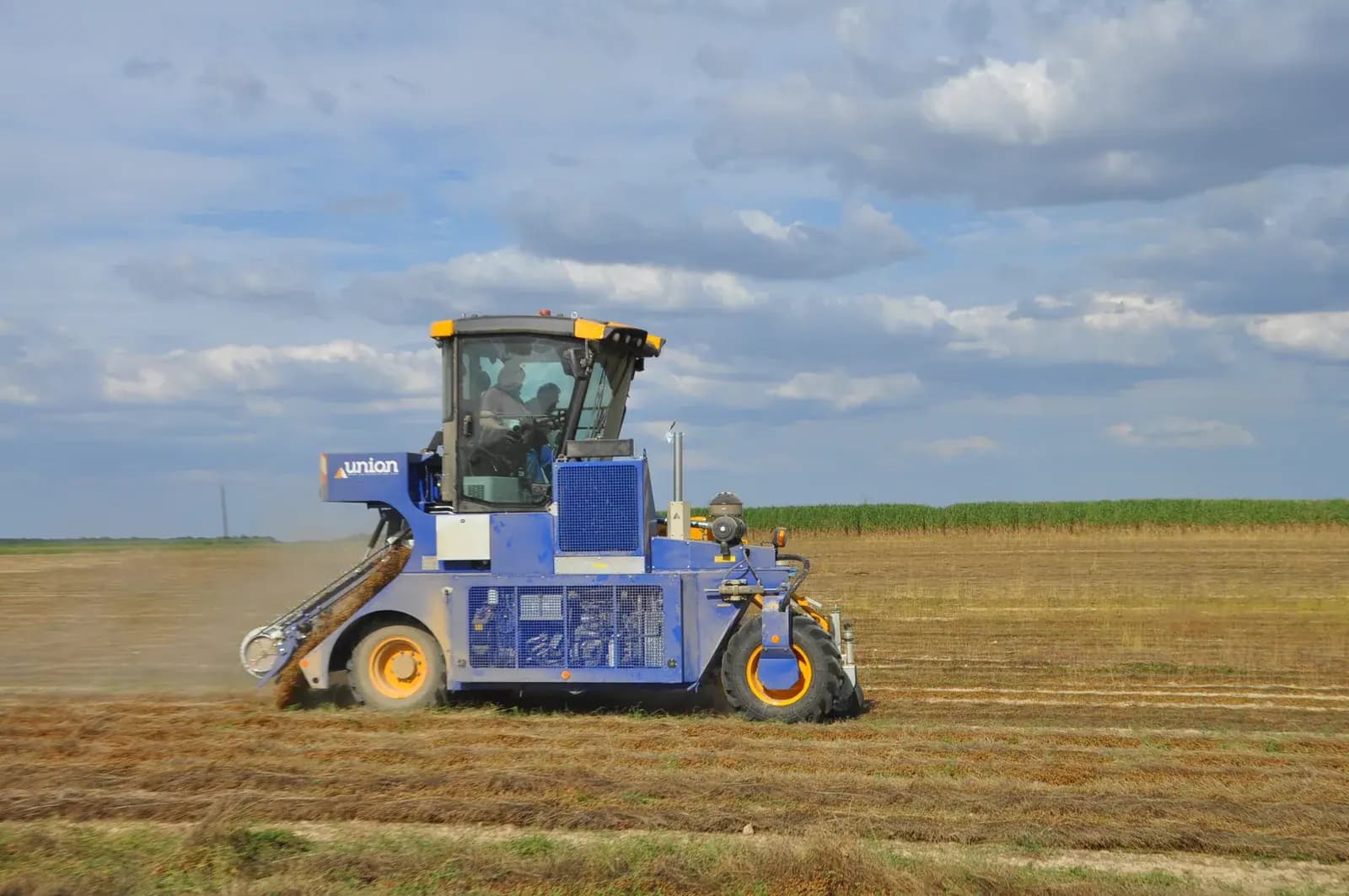
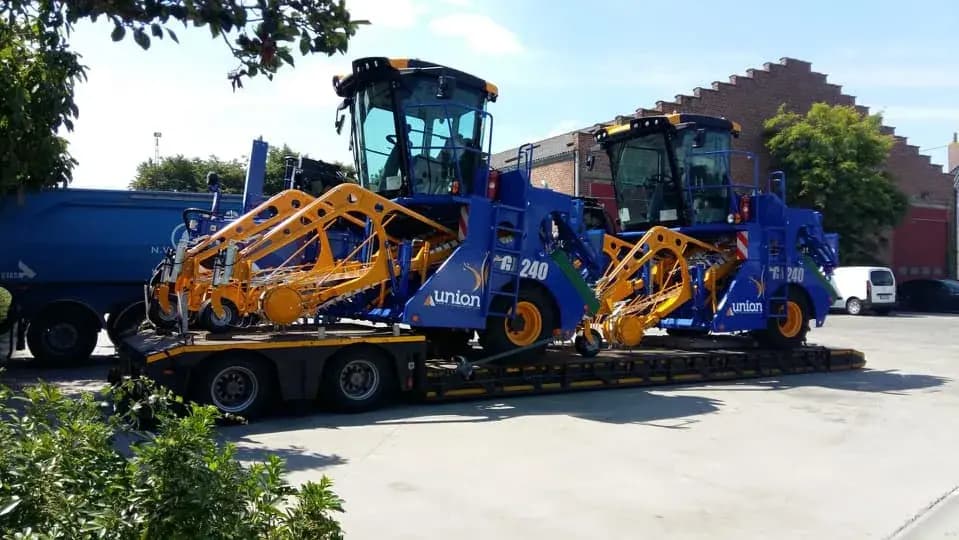
Kadr 0101 / 06
Conversation with an engineer.
The most common questions we hear from farms before purchase.
We have collected the questions we most often hear from farms before purchase — and the answers from our engineers. Every answer is based on verified knowledge of the machine.
- manufacturer's materials
- dokumentacji technicznej
- questions asked by farms
Answers based on the experience of thousands of farms in Europe.
After pulling, the flax lies in swaths and undergoes field retting: controlled breakdown of pectins under dew and rain, which separates the fibre from the woody part of the stem. Retting typically takes 3–6 weeks, and its quality depends on even exposure of both sides of the swath. If the swath is not turned, the underside rets more slowly than the top, so the raw material delivered to the scutching mill is non-uniform. The GX240 turns the swath, equalising retting on both sides.
These are three different machines in one field line. The GX220 pulls flax from the soil (with root), the GX240 turns swaths during retting, and the GX255 Rafale forms bales of retted flax straw. The GX240 has a DEUTZ TCD 3.6 TIER 5 engine rated at 85 kW (115 hp) and a mass of 6,800 kg. It is the lightest and least powerful machine of the three, because its task (handling the swath) requires less energy than pulling or baling. All three run on the same hydraulic 3-wheel platform.
Yes, unlike the GX220 puller. The GX240 turns an already formed swath, and it does not matter whether the stem was pulled (flax) or cut (hemp), because the machine handles the swath lying in the field. For this reason the GX240 turner and the GX255 baler can work with both flax and hemp, depending on configuration and the adopted harvesting technology. Harvesting hemp itself, however, is a separate technology (hemp is cut, not pulled), which RUTHENIA ALBA is developing as a separate line of activity.
Yes. As a UNION partner, RUTHENIA ALBA maintains a spare parts warehouse in Poland: turning belts and strips, pulley wheels, hydraulics of the three-wheel drive, DEUTZ TCD 3.6 engine parts, filters and 400/70R20 tyres. Commissioning service, warranty (2 harvest seasons) and after-warranty support are provided in the field. The retting window is seasonal and short, which is why we keep a local parts stock.
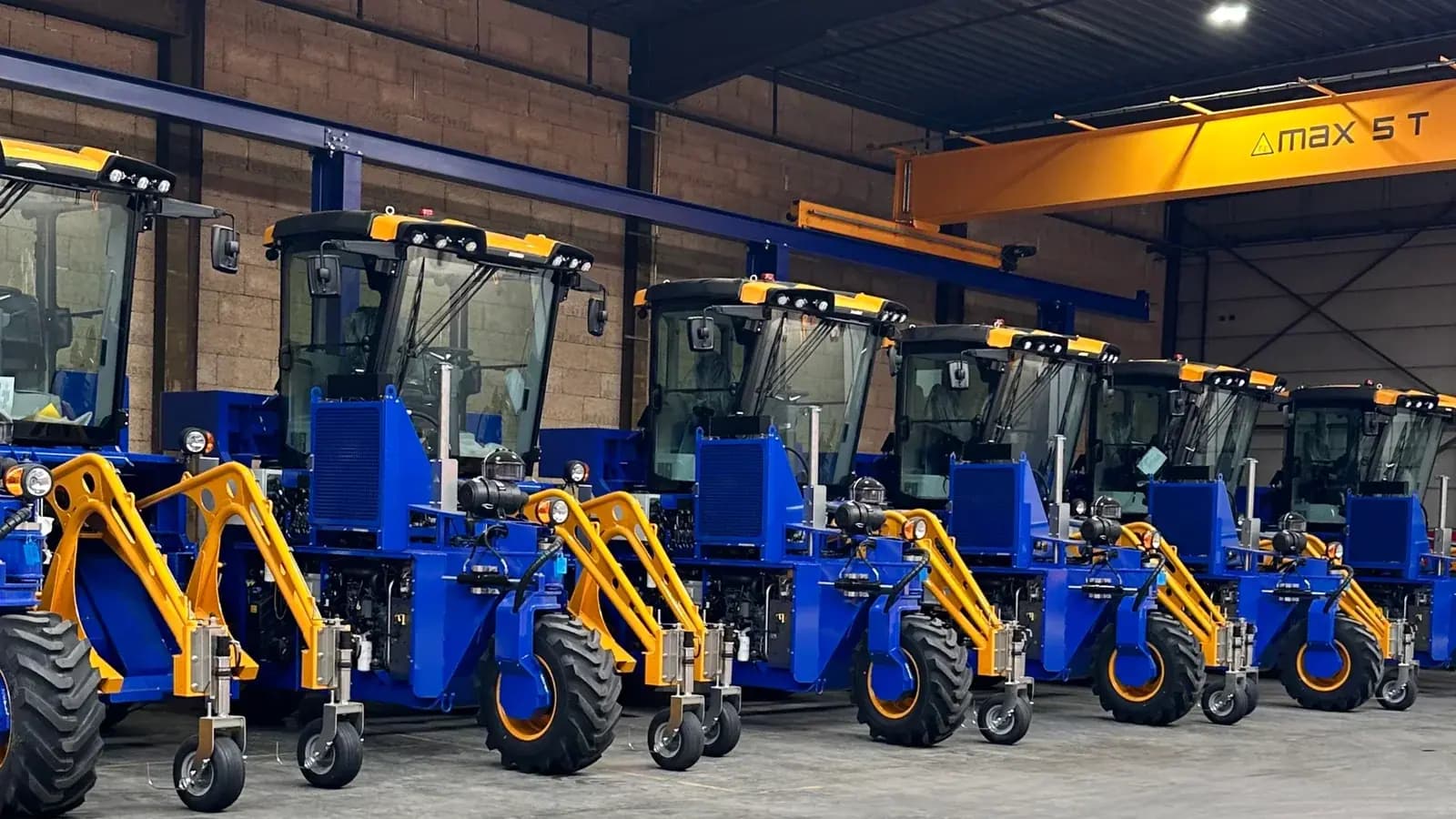
UNION. 1947. Turning swaths — even retting.
We will prepare an offer matched to the equipment and the needs of your farm.